Your cart is currently empty.
With weight loss medications like Ozempic gaining popularity, more patients are asking: Should I go through traditional pharmacy routes or try GLP-1 telehealth?
In this guide, we’ll compare Ozempic vs GLP-1 telehealth services, covering how they work, what they cost, and what kind of weight loss results you can expect—so you can make the smartest choice.
What Is Ozempic and How Is It Used for Weight Loss?
Ozempic is a brand-name medication containing semaglutide, a GLP-1 receptor agonist originally approved for managing type 2 diabetes. However, it’s now widely used off-label to help:
- Suppress appetite
- Slow digestion
- Promote sustainable fat loss
Ozempic is typically prescribed by in-person healthcare providers and filled at a pharmacy. But it’s expensive without insurance, often over $1,200/month.
What Is GLP-1 Telehealth?
GLP-1 telehealth services connect patients to licensed providers online who prescribe compounded semaglutide or tirzepatide (the same active ingredients as Ozempic and Mounjaro).
With telehealth, you can:
- Complete a medical intake form online
- Get reviewed and approved by a doctor remotely
- Receive monthly shipments of your medication to your home
- Skip insurance, pharmacy lines, and price markups
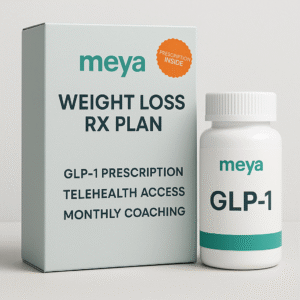
Platforms like Meya provide all of this for just $196/month, no insurance needed.
Dosage: Ozempic vs Compounded GLP-1 Telehealth
Both options follow a similar dosing pattern:
- Start at 0.25 mg weekly, titrate up over time
- Higher doses (up to 2.0 mg) are used for stronger appetite suppression
- Both are administered via subcutaneous injection once a week
Telehealth providers often customize titration based on how you respond to minimize side effects like nausea or fatigue.
Results: Which One Works Better?
Semaglutide is semaglutide—so whether it’s Ozempic or compounded, clinical outcomes are similar:
- Average 10–15% weight loss over 3–6 months
- Reduced appetite and fewer food cravings
- Better control over emotional or binge eating
The main difference is access, affordability, and support, not results.
Price Breakdown: Ozempic vs GLP-1 Telehealth
| Option | Monthly Cost | Requires Insurance? |
|---|---|---|
| Ozempic (Pharmacy) | $1,200–$1,400 | Yes (for coverage) |
| GLP-1 Telehealth (Meya) | $196 flat rate | No |
Telehealth wins on cost, convenience, and transparency—especially if you’ve been denied coverage or don’t want to pay inflated pharmacy prices.
Which One Should You Choose?
Choose Ozempic via pharmacy if:
- Your insurance covers it in full
- You’re already being treated for type 2 diabetes
- You prefer sticking with brand-name options
Choose GLP-1 telehealth if:
- You’re focused on weight loss only
- You want faster access, no insurance, and affordable pricing
- You’re comfortable managing treatment online with a provider
Conclusion: The Same Results—But One Is Way More Affordable
Both Ozempic and GLP-1 telehealth programs use the same medication, produce similar weight loss results, and involve similar weekly injections. The key difference? How much you pay and how easily you get started.
Want real GLP-1 treatment without the $1,300/month price tag? Start your journey with Meya for just $196/month.