Your cart is currently empty.

In 2025, GLP-1 medications like Ozempic and Mounjaro have become household names in weight loss. Yet, a growing number of doctors are now prescribing GLP-1 alternatives—compounded versions or newer formulations. Why this shift? The answer lies in cost, accessibility, patient satisfaction, and evolving medical guidelines.
Here’s why more healthcare providers are embracing GLP-1 alternatives this year.
1. Affordability for Patients
Brand-name GLP-1 drugs often cost over $1,300 per month without insurance, which puts them out of reach for many.
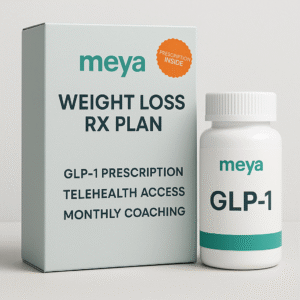
- GLP-1 alternatives offered via telehealth clinics like Meya can cost as low as $196/month
- Lower cost means better patient adherence and fewer treatment dropouts
Doctors want effective treatments their patients can afford long term.
2. Improved Accessibility and Convenience
Supply chain issues and pharmacy shortages have made brand-name GLP-1 meds harder to access.
- Compounded and alternative GLP-1s are often readily available
- Prescriptions are filled through telehealth, eliminating long waits or multiple clinic visits
- Patients receive medication shipped directly to their homes
This ease of access improves treatment continuity.
3. Comparable Effectiveness
Clinical experience and emerging studies show that compounded GLP-1 alternatives deliver nearly the same weight loss results as brand-name drugs when dosed properly.
- Semaglutide-based alternatives yield 10–15% body weight loss
- Tirzepatide alternatives (like Zepbound analogs) also match efficacy
Doctors feel confident prescribing alternatives knowing patients will still see strong results.
4. Personalized Care and Dose Flexibility
Compounded GLP-1 alternatives allow providers to:
- Customize dosing to patient tolerance and goals
- Adjust formulations to reduce side effects
- Provide ongoing remote support via telehealth platforms
This tailored approach improves safety and satisfaction.
5. Evolving Medical Guidelines
With more research backing GLP-1 alternatives and telehealth models, medical guidelines are shifting to support broader use of these options as safe and effective treatments.
6. Patient Demand and Satisfaction
Patients increasingly seek affordable, convenient, and effective options. Doctors prescribing alternatives often report higher patient satisfaction and retention.
Conclusion
In 2025, the prescribing landscape is evolving. Doctors are embracing GLP-1 alternatives because they bridge the gap between effectiveness, affordability, and accessibility. This trend benefits patients, providers, and the broader healthcare system.
Want to experience affordable, expert-guided GLP-1 alternatives for weight loss?
Start your journey with Meya today and see why so many doctors recommend this approach.