Your cart is currently empty.
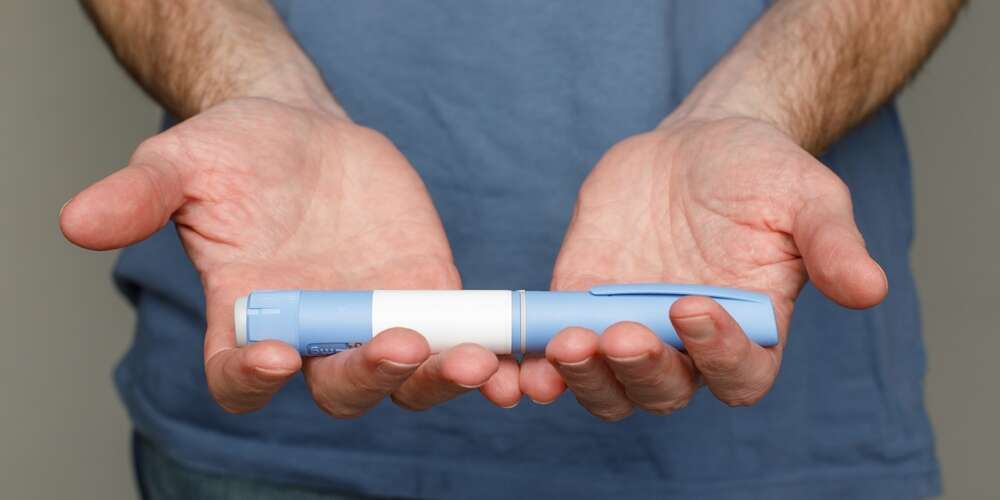
Ozempic (semaglutide) has helped thousands of patients lose weight and control their appetite—but what happens when you stop taking it? Whether you’re pausing for side effects, switching medications, or considering long-term plans, it’s important to understand the impact of discontinuing GLP-1 therapy.
Here’s what you can expect after stopping Ozempic—and how to minimize setbacks.
1. Hunger and Cravings Return Gradually
Ozempic mimics the GLP-1 hormone, which slows digestion and signals fullness to the brain. Once you stop:
- Your stomach empties faster
- Hunger and cravings often return
- You may notice a stronger appetite within 1–2 weeks
Without the medication’s appetite control, portion sizes tend to creep up again unless carefully managed.
2. Weight Regain Is Very Common
Several studies show that weight loss from Ozempic may reverse after stopping:
- Patients typically regain two-thirds or more of the lost weight within a year
- Most regain happens within the first 3–6 months
- Visceral (belly) fat returns faster than other types
This is especially likely if no lifestyle changes (diet, activity, stress management) are sustained after stopping the drug.
3. Blood Sugar and Insulin Sensitivity May Shift
If you were borderline diabetic or had insulin resistance, Ozempic likely improved those markers. Once you stop:
- Blood glucose levels may rise
- Insulin resistance can return
- Energy levels and mood may fluctuate
Even non-diabetic users may experience rebound effects tied to appetite and metabolism.
4. You Can Transition to Alternatives or Maintenance Plans
If you’re stopping Ozempic but still want to maintain weight loss:
- Consider switching to compounded semaglutide or lower doses
- Talk to your provider about tirzepatide (Mounjaro/Zepbound) as an alternative
- Set up a maintenance plan focused on protein intake, movement, and behavioral support
With telehealth services like Meya, you can easily adjust your plan or resume treatment later.
5. Stopping Abruptly vs. Gradually
You don’t need to taper off Ozempic—but gradual dose reduction can help ease the transition, especially if you’ve been on higher doses (1.0mg+). Some patients experience:
- Mild nausea
- Energy dips
- Rebound appetite if stopped too quickly
Your provider can help you step down if you’re planning to come off long-term.
Conclusion: Plan Ahead Before You Stop
Stopping Ozempic isn’t harmful—but without a plan, it can undo your progress. Weight regain, cravings, and metabolic changes are all common—but not inevitable.
Want to pause or restart your GLP-1 plan the right way? Get expert support from Meya for just $196/month.