Your cart is currently empty.
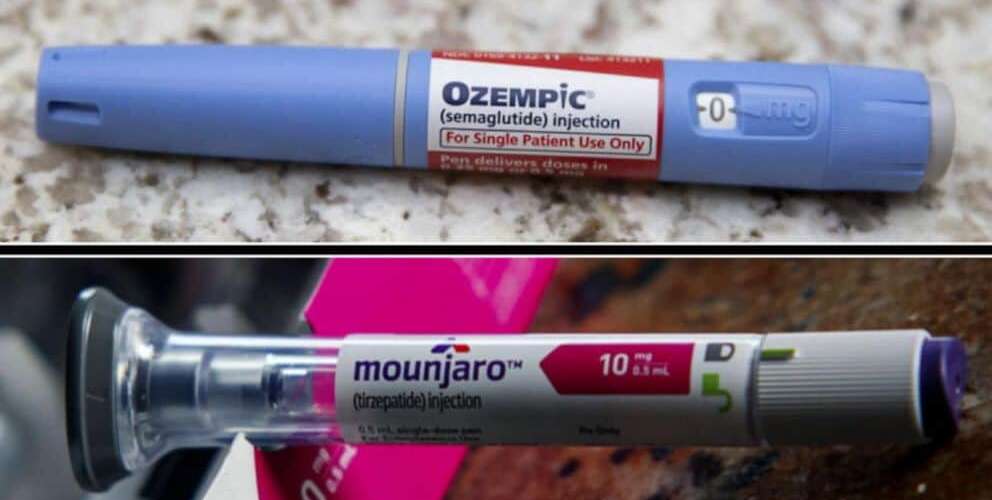
GLP-1 medications like Ozempic and Mounjaro aren’t just for diabetes anymore. In 2025, they’ve become mainstream tools for non-diabetic weight loss, with millions using them to shed serious pounds. But if you’re comparing non-diabetic Ozempic, traditional Ozempic prescribed for diabetes, and newer contenders like Mounjaro, the differences can be confusing.
Let’s break down how each option works, who it’s best for, and which version delivers the most weight loss for people without diabetes.
What’s the Difference Between These GLP-1 Options?
Although all three treatments share the same end goal—weight loss—the mechanisms, dosing, and patient experiences can differ significantly.
🔹 Traditional Ozempic
- FDA-approved for type 2 diabetes, not officially for weight loss.
- Contains semaglutide, a GLP-1 receptor agonist.
- Often prescribed off-label to aid in weight loss, especially at 1 mg or 2 mg weekly doses.
🔹 Ozempic for Non-Diabetics (Off-Label Use)
- Same medication, different purpose.
- Prescribed to non-diabetics strictly for weight loss.
- Dosages may vary based on tolerance and weight loss goals.
- Used under careful medical supervision to ensure safety and maximize fat loss.
🔹 Mounjaro (Tirzepatide)
- FDA-approved for type 2 diabetes, but increasingly prescribed off-label for weight loss.
- Activates both GLP-1 and GIP receptors, potentially offering more potent results.
- Shown in studies to help patients lose up to 21% of body weight—higher than semaglutide in some trials.
Weight Loss Comparison
- Ozempic (for non-diabetics):
Average weight loss: 10–15% of body weight over several months. - Traditional Ozempic (in diabetics):
Typically lower weight loss due to slower titration and different metabolic conditions. - Mounjaro:
Some patients report 15–21% weight loss, especially when combined with a calorie deficit and regular use.
📌 Bottom Line: For non-diabetics seeking aggressive weight loss, Mounjaro may offer faster results, but Ozempic remains a trusted, highly effective alternative with a longer track record.
Side Effects: What to Expect
All three options share similar side effects:
- Nausea
- Bloating
- Constipation or diarrhea
- Appetite suppression
Mounjaro may have slightly more intense GI side effects initially due to dual-hormone activity, but many patients adjust after a few weeks.
Cost & Access
Here’s where things get interesting. Brand-name Ozempic or Mounjaro can cost $1,300/month or more without insurance. However, telehealth clinics now offer compounded versions of these medications—same active ingredients, lower cost.
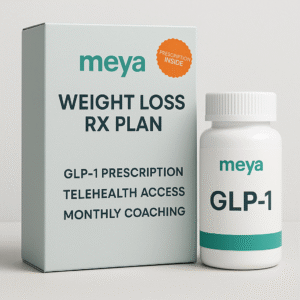
Want GLP-1 treatment without the $1,300/month price tag? Meya offers safe, effective care starting at just $196/month, including licensed medical support and direct-to-door delivery.
So, Which One Should You Choose?
- Go with Ozempic (non-diabetic) if:
You want a proven, well-tolerated option with steady results and fewer GI issues. - Go with Mounjaro if:
You want the most aggressive weight loss and are open to stronger side effects and dose titration. - Already on Ozempic for diabetes?
You can still experience weight loss benefits—especially at higher doses, but results may vary.
Conclusion
In the GLP-1 showdown, there’s no one-size-fits-all winner—but non-diabetics now have powerful options for medically guided weight loss. Whether you lean toward Ozempic for its stability or Mounjaro for its intensity, what matters most is access, affordability, and proper medical oversight.
Looking to get started with GLP-1 care that fits your budget and lifestyle? Click here to begin your weight loss journey with Meya for just $196/month.