Your cart is currently empty.
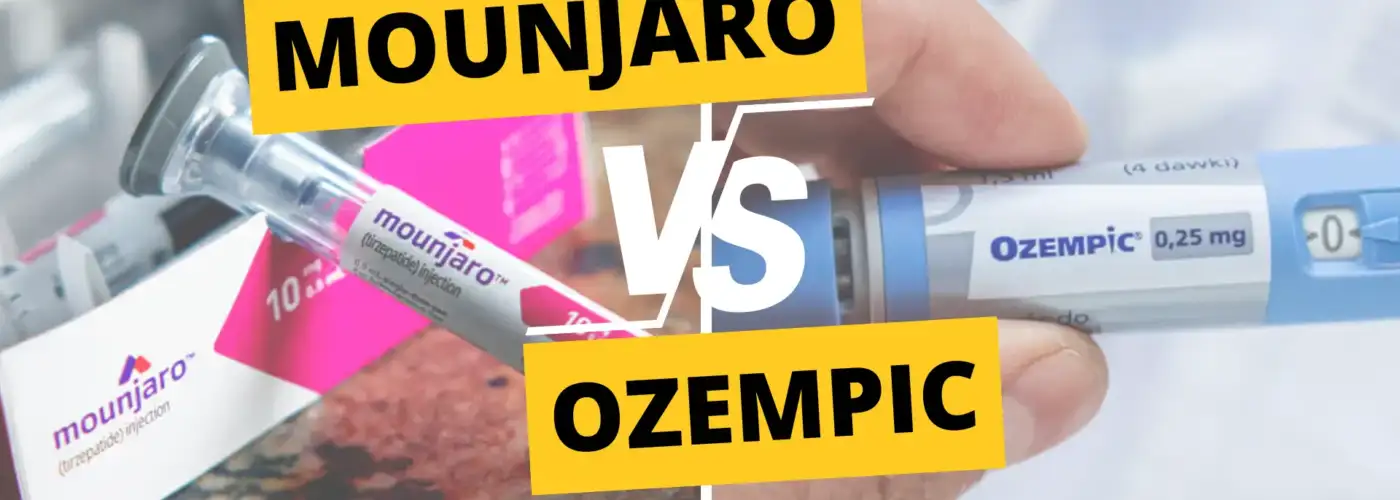
Mounjaro and Ozempic are two of the most talked-about GLP-1 medications in weight loss today. Both were originally created to manage type 2 diabetes, but they’ve quickly become go-to treatments for non-diabetic patients seeking medical support to lose significant weight.
In 2025, patients are turning to real-world reviews to understand which of these injectables offers the best results. Here’s how they compare when it comes to weight loss, side effects, and accessibility—without insurance.
What’s the Difference Between Mounjaro and Ozempic?
- Ozempic uses semaglutide, a GLP-1 receptor agonist that slows digestion and reduces appetite.
- Mounjaro contains tirzepatide, which targets both GLP-1 and GIP receptors—potentially leading to even greater appetite suppression and fat burning.
While both medications are injected once a week and produce similar results, Mounjaro’s dual-action approach often shows slightly stronger outcomes in clinical data.
Real Results Reported by Patients
Patients using Ozempic or Mounjaro consistently report:
- Appetite suppression within the first 1–2 weeks
- Increased satiety and better portion control
- Reduced binge or emotional eating
- A steady weight loss of 1–3 pounds per week
In clinical trials and telehealth follow-ups, the trends show:
- Ozempic users lose up to 15% of their body weight over time
- Mounjaro users often lose 20% or more, depending on dose and consistency
However, success depends on adherence, proper dosing, and support—not just the medication.
Side Effects: What to Expect With Both
Common side effects for both medications include:
- Mild to moderate nausea
- Occasional constipation or diarrhea
- Fatigue or low energy in the first few weeks
- Burping or a “full” feeling after small meals
Most side effects occur early and taper off after dose titration. Patients who increase slowly and eat balanced meals tend to report fewer issues.
Mounjaro users sometimes report slightly stronger GI reactions due to its dual mechanism, but these are manageable with medical oversight.
Cost Without Insurance: The Big Barrier
Retail prices:
- Ozempic: $1,300–$1,500/month
- Mounjaro: $1,200–$1,400/month
These prices push many to explore compounded versions offered through telehealth providers like Meya, where:
- GLP-1 or GIP/GLP-1 medications are prescribed and shipped monthly
- Medically reviewed treatment plans are included
- The flat fee is just $196/month — no insurance needed
What Patients Are Saying About Telehealth Access
Patients choosing telehealth options say:
- “I got my medication within a week, no pharmacy wait.”
- “Meya’s $196/month saved me more than $10,000 this year.”
- “I lost 25 pounds without the stress of chasing insurance approval.”
While results vary, satisfaction is consistently higher for patients who get consistent medication access and professional support—without the red tape.
Conclusion: Choose What Works Best for You
Mounjaro and Ozempic are both powerful tools in the fight against obesity. The best choice depends on how your body responds, your side effect tolerance, and how you plan to access treatment affordably. For most patients, telehealth solutions make the difference.
Want real GLP-1 treatment without the $1,300/month price tag? Start your journey with Meya for just $196/month.