Your cart is currently empty.
Ozempic has become one of the most recognized names in the weight loss world, thanks to its clinical effectiveness and consistent results. But it’s not the only option people are turning to in 2025. From over-the-counter supplements to hormone-based injections, GLP-1 alternatives still attract attention—especially from those looking for fast or more affordable options.
So how does Ozempic compare to these non-GLP options? Here’s a breakdown of what each offers, where they fall short, and which is truly worth the investment.
Why Ozempic Leads in Medical Weight Loss
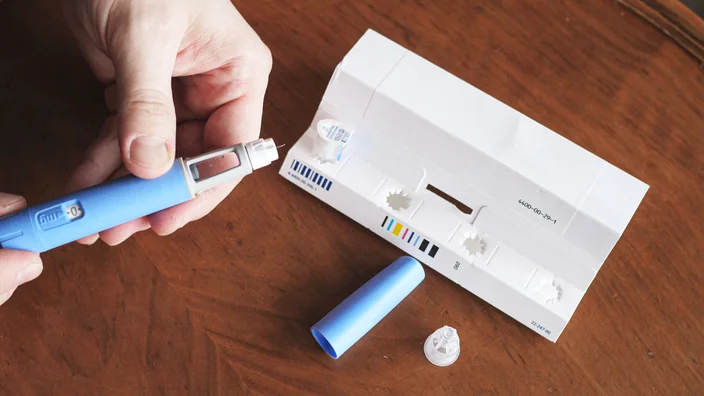
Ozempic (semaglutide) is a GLP-1 receptor agonist that works by:
- Slowing down digestion
- Reducing appetite and cravings
- Helping control blood sugar and insulin spikes
- Leading to steady fat loss, especially around the abdomen
Patients on Ozempic typically lose 10–15% of body weight over time with medical guidance and moderate lifestyle changes. It’s not a stimulant or appetite suppressant—it’s a hormonal reset tool, helping the body naturally consume less and burn more.
Common Non-GLP-1 Alternatives
People often try these alternatives before or instead of Ozempic:
- HCG Diet – hormone injections paired with 500-calorie plans
- OTC Appetite Suppressants – caffeine-based pills or powders
- Keto/Low-Carb Diets – focused on eliminating carbs to trigger ketosis
- Herbal Supplements – marketed as “fat burners” or metabolism boosters
While some offer short-term results, most alternatives lack long-term effectiveness or medical supervision.
Key Differences That Matter
Ozempic
✔ Clinically proven for long-term fat loss
✔ Targets hunger hormones (GLP-1 pathway)
✔ Medically prescribed and monitored
✔ Once-weekly dosing
✔ Typically 1–3 lbs/week of steady loss
Alternatives
✘ Often based on calorie restriction or stimulants
✘ Little to no regulation or medical review
✘ Can cause energy crashes, rebound weight gain
✘ Need constant effort to maintain results
✘ May not be safe or effective long term
Cost Comparison in 2025
Without insurance, brand-name Ozempic can cost $1,300+ per month. That leads many to think alternatives are the only affordable option. But thanks to telehealth platforms, that’s no longer true.
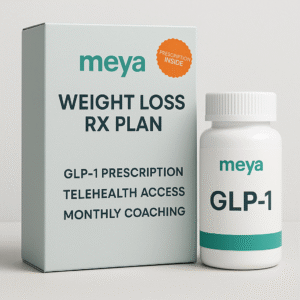
Providers like Meya now offer compounded semaglutide (same active ingredient as Ozempic) for just $196/month, including:
- Medical intake
- Licensed provider evaluation
- Monthly medication shipped to your door
- Ongoing support
That makes Ozempic-level treatment accessible without needing coverage or high out-of-pocket spending.
Why Most Alternatives Fail Long-Term
Many people lose weight with alternatives—but they gain it back. Here’s why:
- No hormonal regulation → cravings return
- No medical oversight → unsafe weight cycling
- No sustainability → hard to follow extreme diets or stim-based plans
GLP-1 medications like Ozempic support gradual, lasting weight loss by changing the way your body handles food and hunger. It’s not about willpower—it’s about rewiring your metabolic response.
Conclusion: Ozempic Wins the Showdown
While GLP-1 alternatives may seem faster, cheaper, or simpler at first, they don’t compare to the clinical, consistent, and long-term results offered by Ozempic. And with modern telehealth pricing, access is no longer reserved for the wealthy or insured.
Want real GLP-1 treatment without the $1,300/month price tag? Start your journey with Meya for just $196/month.