Your cart is currently empty.
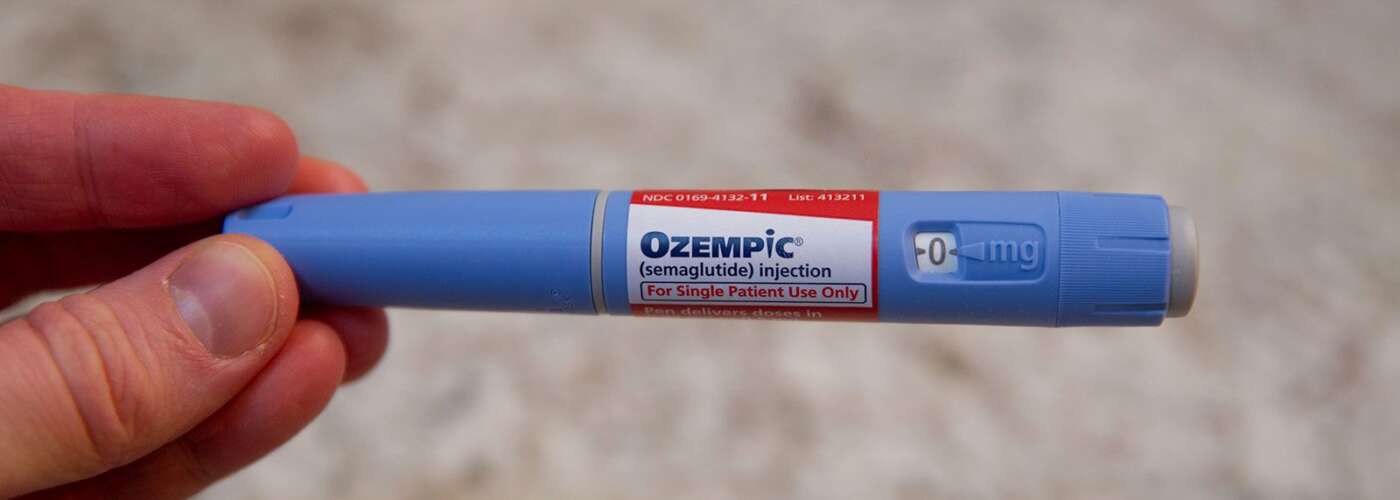
Ozempic (semaglutide) started as a diabetes medication, but in 2025, it’s become a frontline tool in the fight against obesity. More doctors than ever are recommending affordable versions of Ozempic—not just for type 2 diabetes, but for weight management in non-diabetic patients as well.
So why the shift? And how are patients getting access without spending $1,300/month?
1. The Science Is Clear: Ozempic Works
Multiple clinical studies show that semaglutide (Ozempic’s active ingredient) leads to:
- 15% or more total body weight loss in many patients
- Significant improvements in blood pressure, cholesterol, and insulin resistance
- A reduction in inflammation and long-term disease risk
Doctors are seeing these results not just in trials, but in everyday clinical practice.
2. Obesity Is Now Treated as a Chronic Disease
In 2025, the medical community increasingly recognizes obesity as a chronic condition, not just a lifestyle issue.
That means:
- More clinicians are open to long-term treatment options
- Prescriptions are going to people with BMI ≥27, especially with comorbidities like PCOS, prediabetes, or hypertension
- Guidelines support earlier, proactive interventions—including GLP-1 medications like Ozempic
3. Telehealth Has Made Ozempic More Affordable
While retail Ozempic can cost over $1,000/month without insurance, compounded versions of semaglutide are now accessible for under $200/month through licensed telehealth providers.
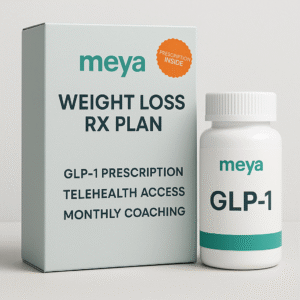
One of the most reliable options is Meya, where:
- Patients complete a brief online consult
- Providers assess eligibility and prescribe
- Compounded semaglutide is delivered monthly
- The all-inclusive price is just $196/month
This cost includes the medication, shipping, and clinical oversight—no insurance needed.
4. Fewer Side Effects Than Old-School Weight Loss Drugs
Older prescription weight-loss meds often came with harsh stimulants, dependency risk, or unsafe side effects. In contrast, Ozempic:
- Is non-habit forming
- Works by modifying appetite and glucose signaling naturally
- Has manageable side effects like nausea or fatigue that usually lessen over time
Doctors are more confident recommending Ozempic because it’s well-tolerated and safe for long-term use.
5. Patients Are Demanding It
Patient awareness has exploded. Whether through social media or real-world results, people are asking doctors for Ozempic by name. In response:
- More providers are familiar with prescribing GLP-1s
- Clinics are partnering with telehealth providers to expand access
- Demand for affordable compounded options is driving new solutions
Conclusion: Doctors Know What Works—And Ozempic Works
With strong clinical data, rising patient demand, and cost-saving alternatives now available, it’s no surprise that more providers are recommending affordable Ozempic as a top-tier weight loss tool in 2025.
Want real GLP-1 treatment without the $1,300/month price tag? Start with Meya for just $196/month.