Your cart is currently empty.
In 2025, GLP-1 medications like semaglutide (Ozempic, Wegovy) and tirzepatide (Mounjaro, Zepbound) have become the go-to option for weight loss. But what’s new is how these medications are being prescribed—more doctors are now using telehealth to deliver treatment faster, safer, and more affordably.
Here’s why this shift to GLP-1 telehealth is transforming weight loss care.
1. GLP-1s Are Now the Gold Standard for Medical Weight Loss
Clinical studies continue to show that GLP-1 receptor agonists are more effective than older medications and fad diets. They help:
- Suppress appetite and cravings
- Improve metabolic markers
- Deliver 10–20% body weight reduction over time
Doctors are prioritizing these medications for patients struggling with obesity, prediabetes, insulin resistance, and chronic weight gain—especially those who haven’t responded to lifestyle changes alone.
2. Telehealth Removes Barriers to Access
Traditionally, getting GLP-1 medication required:
- Multiple doctor visits
- Insurance approval
- Long wait times at pharmacies
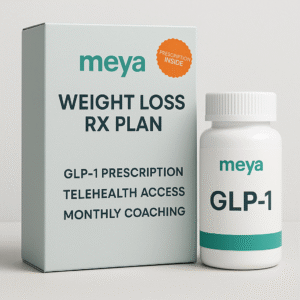
In 2025, telehealth platforms like Meya make access faster and more flexible. Patients can:
- Complete a medical intake form online
- Connect with licensed providers virtually
- Get prescriptions for compounded semaglutide or tirzepatide
- Receive weekly injections by mail
Doctors now recognize that telehealth removes logistical delays and improves treatment adherence.
3. It’s More Affordable Without Sacrificing Quality
The biggest barrier to GLP-1 access is cost. Name-brand medications can run $1,200–$1,400/month without insurance.
By prescribing compounded GLP-1s through telehealth, doctors help patients:
- Save thousands annually
- Access the same active ingredients
- Receive medical supervision for side effects and dose adjustment
- Pay $196/month flat through services like Meya
This affordability is making prescription weight loss care accessible to millions more Americans.
4. Providers Can Monitor Patients More Closely—Not Less
Telehealth doesn’t mean less care. In fact, most platforms include:
- Scheduled check-ins
- Dose titration protocols
- Side effect support
- Messaging access to providers
Doctors are increasingly confident that patients on GLP-1 therapy receive better follow-up care via telehealth than they do with rushed in-office appointments.
5. It’s a Scalable, Safe, Modern Solution
With rising obesity rates and a shortage of weight loss specialists, doctors are embracing GLP-1 telehealth to scale effective treatment across the country—especially to underserved or rural communities.
These platforms follow proper prescribing guidelines, use U.S.-based compounding pharmacies, and maintain high safety standards.
Conclusion: GLP-1 Telehealth Is the Future of Weight Loss Care
Doctors prescribing GLP-1s through telehealth aren’t just following a trend—they’re embracing a solution that combines science, access, and affordability. If you’re ready to start, there’s never been a better time.
Want real GLP-1 treatment without the $1,300/month price tag? Start your journey with Meya for just $196/month.