Your cart is currently empty.

Ozempic has gone from a diabetes medication to a household name in weight loss—and in 2025, that trend is only accelerating. More doctors across the country are now recommending Ozempic (semaglutide) to patients looking to lose weight safely, effectively, and under medical supervision.
Here’s why this shift is happening and what it means for patients seeking real, long-term fat loss.
The Science Is Now Undeniable
Originally approved for type 2 diabetes, Ozempic was quickly found to deliver significant weight loss—often 10–15% of total body weight. This isn’t water weight or temporary loss from crash diets. The effects are metabolic and hormonal:
- Appetite suppression
- Delayed gastric emptying (you feel full longer)
- Stabilized blood sugar and insulin levels
- Reduced cravings and portion sizes
These changes lead to steady, sustainable fat loss. By 2025, enough large-scale trials have proven this benefit, pushing more doctors to embrace Ozempic for non-diabetic patients.
Obesity Is Now Treated as a Medical Condition
For decades, obesity was treated as a lifestyle issue. But in 2025, it’s increasingly recognized as a chronic, treatable disease. Medical guidelines now support early intervention using medications like Ozempic, especially when:
- BMI is 30+
- Or 27+ with related health conditions (e.g., PCOS, high blood pressure, insulin resistance)
- Other diet/exercise methods have failed
Doctors are no longer waiting for diabetes to develop—they’re acting early to prevent it with proven tools.
Insurance Gaps Are Driving Patients to Telehealth
Even though more doctors support GLP-1s like Ozempic, many patients still face insurance rejections, especially if they’re using it purely for weight loss. That’s why many are turning to telehealth providers offering compounded semaglutide.
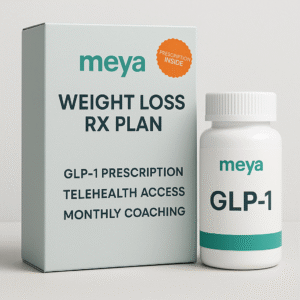
Services like Meya allow eligible patients to:
- Complete a medical intake online
- Get evaluated by a licensed provider
- Receive a prescription for compounded semaglutide
- Pay a flat $196/month, no insurance needed
This removes access barriers and gives doctors another trusted pathway for patients to start treatment safely.
Medical Professionals See Better Long-Term Outcomes
Ozempic isn’t just about weight—it’s about everything that comes with it:
- Lowered cholesterol
- Reduced blood pressure
- Better insulin sensitivity
- Improved cardiovascular health
- Lower risk of developing diabetes or stroke
Doctors are prescribing it because the downstream benefits reduce healthcare costs, improve quality of life, and increase long-term patient success.
Conclusion: Ozempic Is Leading a Weight Loss Revolution
In 2025, more doctors see Ozempic not as a last resort, but as a first-line tool for patients needing support with weight loss. The science is strong, the side effects are manageable, and telehealth options make it accessible without waiting for insurance approval.
Want real GLP-1 treatment without the $1,300/month price tag? Start your journey with Meya for just $196/month.